
Complete Guide to Selecting Hydraulic Filters and Pumps: Practical Tips from Experienced Technicians
Correct hydraulic filter and pump selection improves system reliability, efficiency, and service life. This guide covers filter types, pump options, valve brands, pressure drop, contamination control, service life, and practical buying considerations.

Selecting the right hydraulic filter and pump has a major effect on hydraulic-system efficiency. Hydraulic systems are the backbone of many industries, from road-construction machinery to production lines and even some medical equipment. Their performance depends on two critical components:the hydraulic pump as the heart of the system, and the hydraulic filter as the lungs of the system. If these two components are not selected and maintained correctly, problems can gradually develop, including pressure loss, overheating oil, hydraulic-valve failure, and even complete hydraulic-system shutdown.
Many experienced technicians believe that a large share of hydraulic failures is linked to contaminated oil and incorrect component selection. This article takes a deeper, practical look at the techniques used by experienced technicians to help you make better choices when selecting hydraulic filters, pumps, and valves.
This comprehensive guide reviews hydraulic filter and pump types, the main selection criteria, differences between models, and important purchasing considerations. It also discusses established brands and market-price considerations to help you make a more informed decision for your hydraulic system. If you are planning to purchase or replace components, this guide provides a structured path toward the right selection.
What You Will Read in This Article:
1. Why is selecting the correct hydraulic filter critical?
2. What is the difference between Iranian and imported hydraulic pumps?
3. Which hydraulic-valve brands are well known in Iran?
4. Comparing filter price and service life
Why, When Selecting a Hydraulic Filter and Pump, Is the Filter Critical to System Health?
A hydraulic filter is the first line of defense against oil contamination. Metal particles generated by component wear, environmental dust, and even moisture can enter the circuit. If they are not removed, they can reduce efficiency and damage hydraulic-system components. Correct filter selection helps preserve oil quality and component condition while reducing repair costs and production-line downtime.
Reduced wear in pumps and valves
Stable system pressure
Preservation of the oil's lubricating properties
Lower repair and maintenance cost
Types of Hydraulic Filters and Their Applications
1. Return-Line Filter
Features:Installed in the return line before oil enters the reservoir.
Function:Removes particles and contamination generated or introduced during operation before the oil returns to the reservoir.
2. Pressure-Line Filter
Features:Installed in the pump discharge pressure line and generally designed to withstand high operating pressure.
Function:Prevents fine particles from reaching sensitive components such as servo valves and actuators, helping preserve accuracy and equipment service life.
3. Suction Filter
Features:Installed at the beginning of the pump suction line.
Function:Prevents larger particles and contaminants from entering the pump and helps protect the pump from damage.

When Selecting a Hydraulic Filter, Consider the Following:
Filtration Rating (Micron Rating):
Experienced technicians often recommend a filter rating of 10 microns or finer for contamination-sensitive systems, subject to component-manufacturer requirements. The lower the micron rating, the smaller the particles the filter can capture.
Dirt-Holding Capacity:
Filters with a larger effective filtration area generally take longer to clog and can provide a longer service interval.
Filter Installation Location:
A return-line hydraulic filter is often more economical, while pressure filters are generally preferred where sensitive downstream components require cleaner oil.
Pressure-Drop Check:
Before purchasing a filter, make sure it does not create excessive pressure drop at the system's required flow rate. Excessive restriction can adversely affect the pump and other critical components.
Correct hydraulic-filter selection supports stable operation, longer component life, and improved overall hydraulic-system performance.
Buy Hydraulic Filters
Contact us to select a suitable hydraulic filter. Hydraulic filters available for supplyWhat Is the Difference Between Iranian and Imported Hydraulic Pumps When Selecting Hydraulic Filters and Pumps?
The pump is the heart of the hydraulic system, and correct selection is essential to circuit life and efficiency. The Iranian market includes both domestically manufactured and imported hydraulic pumps, each with its own advantages and disadvantages. Understanding these differences helps buyers make more informed decisions and manage cost.
Key Differences
Price:The source states that Iranian pumps are, on average, approximately 30% to 50% less expensive than imported alternatives; actual market differences vary by model and date.
Manufacturing Quality:Imported pumps from brands such as Roquet, Rexroth, Brevini, and others are described as offering higher machining precision and longer service life, while Iranian pump manufacturing has also improved considerably in recent years.
Spare-Parts Availability:Spare parts for Iranian pumps can generally be sourced more quickly and at lower cost, whereas imported brands may sometimes require international sourcing and longer lead times.
Noise and Vibration:Imported pumps are often designed to tighter noise specifications and may therefore be preferable in environments where low noise is important, such as food or medical facilities.

Brevini Pumps
At Fidar Nadin Sumy, we supply products from established international manufacturers, including Brevini pumps.
View
Roquet Pumps
At Fidar Nadin Sumy, we supply products from established international manufacturers, including Roquet pumps.
View
Rexroth Pumps
At Fidar Nadin Sumy, we supply products from established international manufacturers, including Rexroth pumps.
ViewTechnicians' Recommendations
If your system operates above approximately 250 bar, the source recommends considering a suitable imported pump, provided its technical specifications match the application.
If the machine does not operate in severe environmental conditions, for example in light production lines or smaller machinery, an appropriate Iranian pump can be an economical and dependable choice.
To control cost, some hydraulic engineers use a mixed strategy: domestic pumps for lighter-duty equipment and imported pumps for critical or highly sensitive machines.
Well-Known Hydraulic-Valve Brands in Iran
Hydraulic valves direct flow and control pressure and flow rate. Valve failure can stop the entire hydraulic system, so experienced technicians generally pay close attention to valve selection.
No single brand can be considered universally best for every system or manufacturer because the optimum choice depends on the specific requirements. Nevertheless, several brands are well known and widely used in the Iranian hydraulic market and have established reputations for quality and performance, including Duplomatic and Fluid-App.
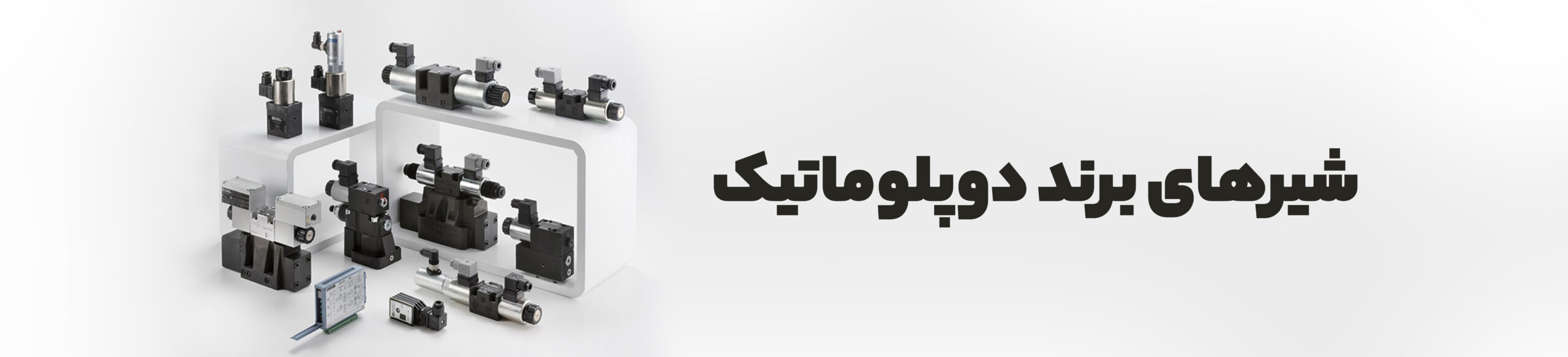
Duplomatic (Duplomatic):
This Italian brand is one of the established manufacturers of hydraulic equipment. Duplomatic hydraulic valves are known for high manufacturing quality, long service life, and precise flow and pressure control. Their use in industrial applications can improve reliability and reduce unexpected failures when the correct product is selected for the circuit.
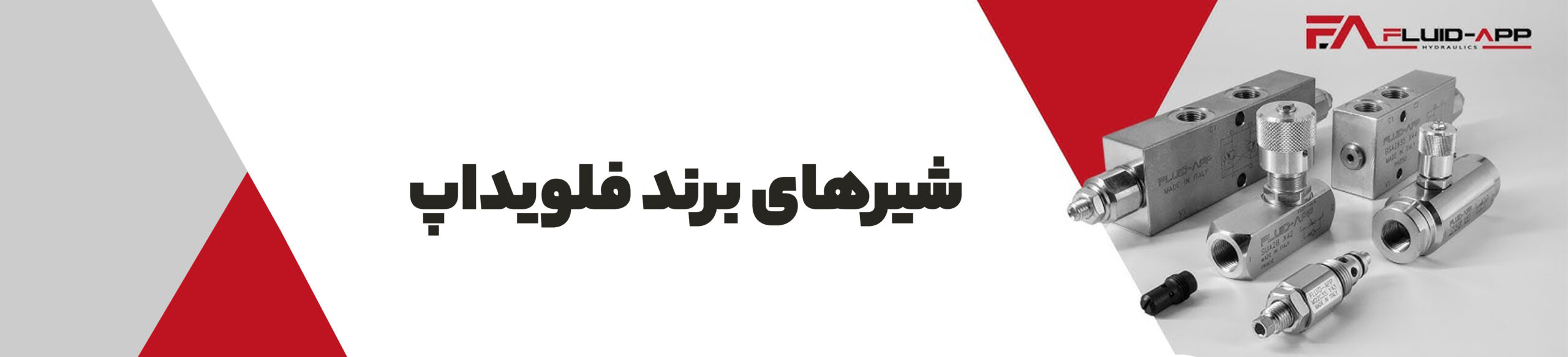
Fluid-App:
Fluid-App is another established European hydraulic brand. Its valves are known in the market for competitive pricing relative to their performance and practical design and have a significant presence in Iran. For buyers seeking a balance between quality and economy, the brand can be a strong option depending on the application.
We supply products from both Duplomatic and Fluid-App directly so customers can select the option best suited to their system requirements.
Professional Tip
Always check the valve's applicable ISO or DIN interface and dimensional standard. A non-standard valve may be incompatible with your system's size, mounting pattern, or threads and can create unnecessary installation problems.
Filter Price and Service-Life Comparison
Standard Iranian filters are generally the lowest-cost option and can be suitable for lighter, lower-pressure systems. Reinforced Iranian filters cost somewhat more and can suit semi-industrial applications. Standard imported filters occupy a mid-to-higher price range and generally offer higher specification and consistency, while premium imported filters have the highest purchase cost but are intended to provide longer service life and performance in sensitive, high-pressure applications.
| Filter Type | Approximate Service Life | Suitable For | Technician's Note |
|---|---|---|---|
| Standard Iranian Filter | 3 to 6 months | Light-duty equipment | Suitable for systems operating below approximately 120 bar, according to the source |
| Reinforced Iranian Filter | 6 to 12 months | Semi-industrial applications | A practical option for small presses and assembly lines |
| Standard Imported Filter | 12 to 18 months | Medium-duty industry | Often available with a clogging indicator |
| Premium Imported Filter | 18 to 24 months | Sensitive and high-pressure systems | The source presents this as the preferred class for critical applications |
Practical Recommendations from Experienced Technicians
Inspect an oil sample before replacing a filter whenever condition-based maintenance is available.Unnecessary replacement increases maintenance cost.
The pump and filter should be correctly matched.Installing an undersized filter on a high-flow pump can cause excessive pressure drop and premature failure.
Use hydraulic oil that meets the required specification.Even a high-quality filter cannot compensate for contamination or poor performance caused by unsuitable or low-quality oil.
Take periodic servicing seriously.Many failures can be prevented through simple reservoir cleaning and timely filter replacement.

Selecting the Right Hydraulic Filter and Pump
Selecting the correct hydraulic filter and pump requires consideration of several key factors, including the application, working pressure, required flow rate, hydraulic-oil quality, and environmental conditions. Incorrect component selection not only increases repair and maintenance cost but can also shorten the service life of the entire system. Using reputable products and paying attention to applicable international standards helps support stable hydraulic-system performance.
Conclusion
Correct hydraulic filter and pump selection does more than reduce repair and maintenance cost; it supports stable and safe operation of the entire system. Just as a healthy body depends on a functioning heart and lungs, a hydraulic system depends on a properly selected pump and effective filtration.
The practices used by experienced technicians can help you make a more informed selection:Choose a filter matched to system pressure and flow, select the pump according to the duty and application, and use hydraulic valves from established manufacturers with suitable technical and after-sales support.