
ArticlesHydraulicsVane PumpHydraulic Vane PumpGear PumpHydraulic PumpBuy Hydraulic PumpsHydraulic Valves
Hydraulic Pumps
A hydraulic pump is the heart of a hydraulic system, converting mechanical input into fluid flow. This guide explains positive-displacement pump types, selection criteria, pressure, flow, speed, noise, cavitation, and replacement considerations.
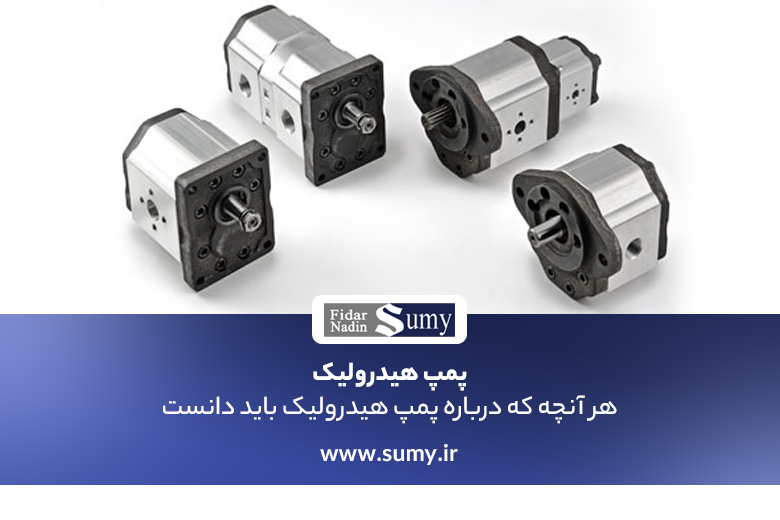
Everything You Need to Know About Hydraulic Pumps
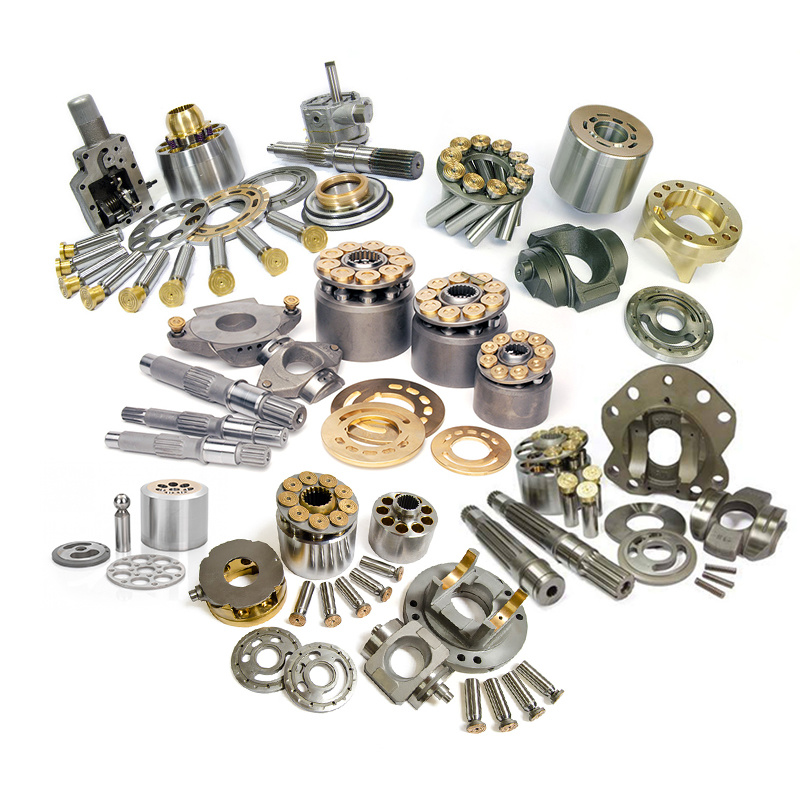
In Simple Terms, What Is a Hydraulic Pump?
A hydraulic pump acts as the heart of a hydraulic system. It receives mechanical energy from an electric motor or internal-combustion engine and converts it into hydraulic energy. As the pump's mechanical components move, they create a low-pressure region that allows atmospheric pressure to push fluid into the pump; the moving components then displace the fluid and send it to other parts of the hydraulic system. The source also describes the hydraulic power generated in the pump as ultimately being converted back into mechanical work by the system. Hydraulic pumps do not themselves create pressure; they produce flow, while pressure develops when the flow encounters resistance from the load. Pumps can be divided into two broad categories:- Non-positive-displacement pumps (hydrodynamic pumps)
- Positive-displacement pumps
- Hydraulic gear pumps
- Hydraulic vane pumps
- Hydraulic piston pumps
- Manual hydraulic pumps
Hydraulic Gear Pumps
Gear pumps are divided into two types: internal-gear and external-gear pumps.
1. Internal-Gear Pump
Structurally, an internal-gear pump is often compared to a moon-and-star arrangement. These pumps can tolerate relatively high pressure, an important operating advantage. They may use a compact aluminum body with steel or brass gears depending on the model, and these characteristics make them suitable for higher-value machinery. Another useful feature is the ability to couple pump sections with different displacements, including multi-stage arrangements. Other advantages include high efficiency and a relatively low failure rate. In summary, internal-gear pumps are selected for high pressure capability, low flow loss, low wear, and low noise, although their relatively high price should also be considered.2. External-Gear Pump
External-gear pumps typically use two steel gears and offer medium pressure capability with good operating efficiency. The source describes versions with aluminum or cast bodies, often without shaft bearings in some configurations. Like internal-gear pumps, multiple sections with different displacements can be coupled together. Compared with internal-gear pumps, external-gear pumps generally have moderate efficiency and may have a higher failure rate. At high pressure they can experience greater losses and are often used for filling cylinders. They are usually noisier than internal-gear pumps but have the advantage of lower cost. External-gear pumps are widely used in machinery, industrial equipment, and road-construction equipment.Hydraulic Vane Pump
Vane pumps operate using blades or vanes inside a cartridge. Centrifugal force causes the vanes to move outward, drawing fluid in at the inlet and carrying it toward the outlet. Because the cartridge sits inside the pump housing, these units are also called cartridge-type hydraulic pumps; because they use vanes, they are also known as vane or blade pumps. The housing is commonly cast iron, while the cartridge uses various alloys, making cartridge design and manufacturing technology particularly important. The vanes and their structure are among the key components that withstand pressure. Advantages include low noise and relatively low pressure loss. They are also easy and economical to service because replacing the cartridge can restore much of the pump's working assembly. In some designs, output flow can be changed by changing the position of the ring in the cartridge. In summary, a vane pump can be a suitable choice for machinery requiring medium pressure and cost, low noise, and straightforward repair.Hydraulic Piston Pump
- Hydraulic pumpRadial-piston pump
- Bent-axis hydraulic piston pump
- Swash-plate hydraulic piston pump
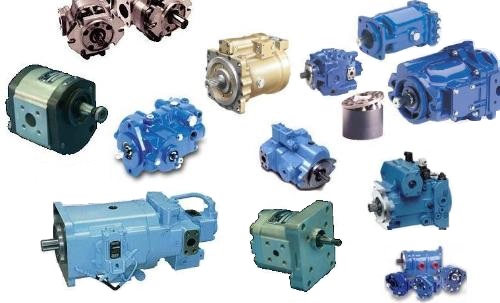
Factors to Consider When Selecting a Pump
-
Pump Inlet Size (Pipe Connection)
-
Pump Outlet Pressure Rating (Operating Pressure – Outlet)
-
Pump Inlet Pressure Rating (Operating Pressure – Inlet)
-
Pump Rotational Speed
-
Fluid Displacement
-
Effective Flow Rate
-
Pump Power Requirement
-
Hydraulic Oil Temperature
-
Filtration
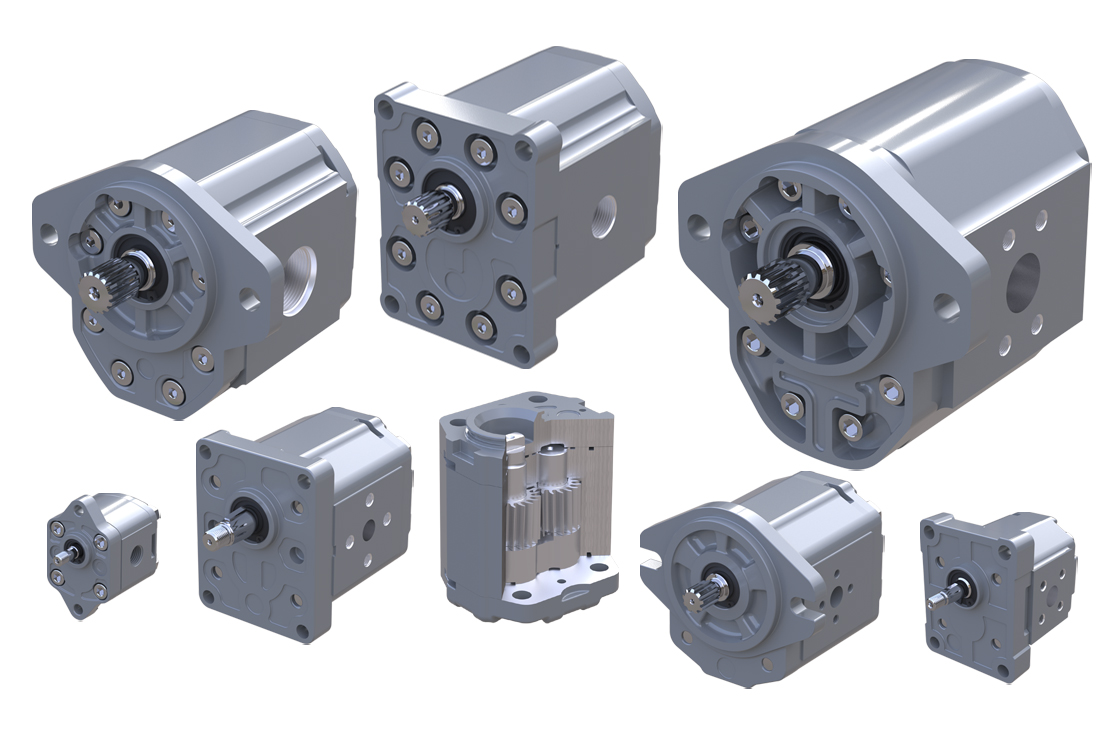
Hydraulic-Pump Selection Criteria
The following factors should be considered when selecting a pump:Maximum Allowable Pump Pressure
The maximum pressure required by the circuit should be identified. Pumps with higher pressure ratings generally cost more. The source also associates higher ratings with larger pump sizes and greater available flow. At high pressure, fluid compressibility can become more significant and can adversely affect precision-control systems.Maximum Output Flow
A major selection factor is whether the pump can supply the required flow. If circuit flow is constant, a fixed-displacement pump can be used. If substantially different flow rates are needed, multiple pumps may be combined for better efficiency. Where only limited variation is required, a variable-displacement pump can be considered.Pump-Shaft Speed
An electric motor or internal-combustion engine rotates the pump shaft. In general, increasing input-shaft speed increases pump output flow, but each pump has specified minimum and maximum speeds set by the manufacturer. Excessive shaft speed can shorten pump life.Pump Fluid Type
Pumps are designed for fluids within specified viscosity ranges. Mineral-oil-based fluids are common. Some water-based fluids may reduce pump life and may not provide the same lubricating capability for internal pump components.Pump Noise Level
Another factor evaluated during pump selection is noise, which is measured in decibels (dB). A certain amount of noise can be produced by normal vibration and moving pump components, while excessive noise may indicate a fault in the pump or related components. Hydraulic pumps themselves are often relatively compact and may generate less noise than larger components such as electric motors. Fixed-displacement pumps are generally described in the source as quieter than variable-displacement pumps. Installation method and pressure-control strategy also affect noise, and higher speed and pressure generally increase it. Using a lower rotational speed and correctly sizing the pump and pressure requirements can reduce noise. Cavitation is another important source of noise. Cavitation occurs when vapor or gas bubbles form in the fluid. Hydraulic pumps are intended to work with largely incompressible fluid, so entrained air can disturb normal behavior and generate noise. Bubbles formed at the inlet or in low-pressure regions can collapse when they reach higher-pressure regions, creating shock, noise, and potentially shortening pump life.To Reduce Bubble Formation and Cavitation, the Following Points Should Be Considered:
- The source states that suction velocity should be kept below 5 tf/cc; this unit is reproduced as written in the source.
- The inlet line to the pump should be kept as short as practical, because excessive suction-line length can promote bubble formation.
- Use as few fittings as practical on the inlet side.
- Locate the pump as close to the reservoir as practical.
- Use filters with low pressure drop and a clogging or contamination indicator so they can be replaced when dirty.
- Use oil suitable for the pump and follow the pump manufacturer's recommendations. The source notes that increasing temperature raises the likelihood of bubble formation and recommends an operating temperature of about 120°F to 150°F to balance cavitation risk and fluid viscosity.
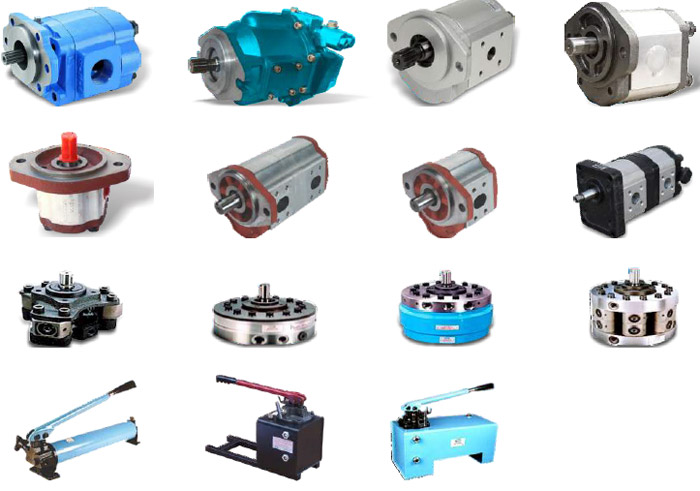
Replacing Hydraulic Pumps
Replacing an older pump with a new model is a common challenge as equipment ages. The original pump may no longer be repairable or the same model may no longer be available, so the circuit may need to be adapted for a replacement. Important factors include pump pressure rating, output-flow capacity, the type of valves mounted on the pump, whether the pump is multi-section, direction of rotation, physical form and dimensions such as shaft, pilot, and flange, pump model, and other installation details.One of the important factors in pump selection is the pump type, including gear pumps, vane pumps, and piston pumps.